
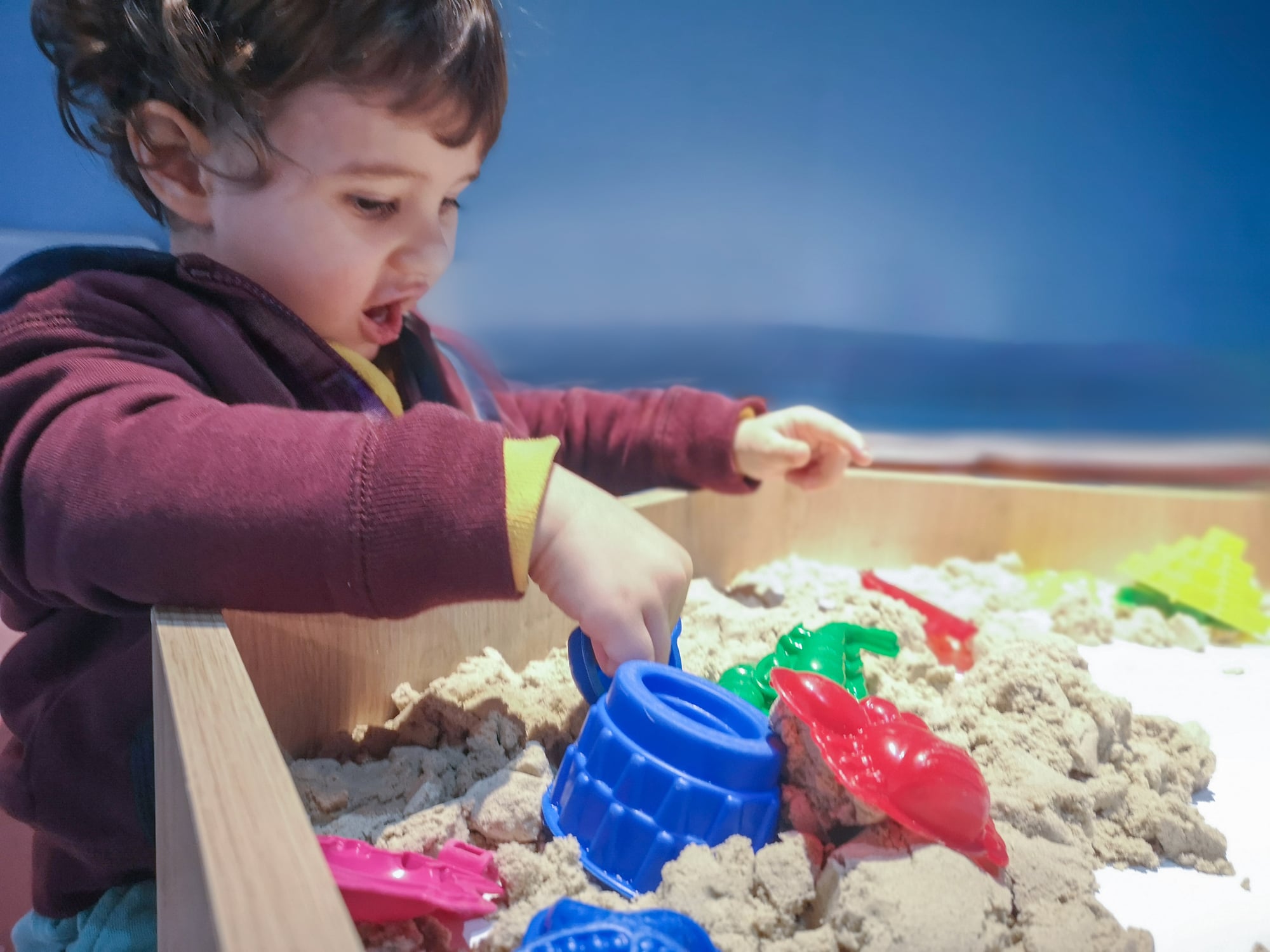
 Do certain sounds, textures, foods, or busy environments make your child uncomfortable? Are they always on the move, frequently bumping into objects, or seeking activities that involve jumping, spinning, and rough play?
These behaviors may be signs of sensory processing disorder, which can make everyday routines and activities more challenging for your child. Learning how your child responds to sensory information can help you better understand their needs and find the right support.
What Is Sensory Processing Disorder?
Every day, your child’s brain sorts through a steady stream of sensory information, including sounds, sights, textures, tastes, smells, movement, and awareness of where their body is in space. Sensory processing disorder, often called SPD, is a term used when your child has difficulty organizing or responding to that information.
Some sensations may feel unusually intense. A ticking clock, scratchy sweater, or busy grocery store can quickly become overwhelming. Your child may also have difficulty noticing sensory information and seek stronger sensations through movement, pressure, or physical contact.
These differences can affect how comfortably your child moves through everyday routines, handles moving from one activity to the next, and participates in activities at home, school, and on the playground.
Signs Your Child May Have Sensory Processing Challenges
Sensory processing disorder can look different in every child. You may notice your child:
- Becomes distressed by sudden or loud noises
- Covers their ears around vacuum cleaners, hand dryers, or similar sounds
- Feels uncomfortable in clothing with certain fabrics, seams, or tags
- Avoids messy textures, such as sand or finger paint
- Reacts strongly to specific food tastes, smells, or textures
- Has difficulty in crowded, noisy, or brightly lit spaces
- Seeks frequent movement by running, jumping, spinning, or climbing
- Crashes into furniture or seeks rough-and-tumble play
- Touches nearby people or objects frequently while moving through a room
- Has trouble remaining seated during meals or classroom activities
Your child may show only a few of these signs, and you may notice them more in certain settings or situations. If sensory reactions consistently make it harder for your child to get dressed, eat, learn, play, or participate in family activities, it may be time to talk with a pediatric occupational therapist.
How Occupational Therapy Supports Your Child’s Sensory Needs
Pediatric occupational therapy helps your child build the skills they need to participate in daily activities, from getting dressed and eating meals to focusing in the classroom and playing with friends. An occupational therapist can evaluate how your child responds to different kinds of sensory information and how those responses affect them at home, school, and with friends.
Through fun, play-based activities, your child can build body awareness, gradually become more comfortable with sensations they find challenging, and learn strategies to use when sensory input becomes overwhelming. Their therapist can also work closely with you, offering practical ways to support your child during everyday routines and activities at home.
Reach Out to Building Futures for Support
If sensory challenges are interfering with your child’s routines, learning, or play, Building Futures Pediatric Therapy is here to help. Our occupational therapists create individualized plans to help your child participate more comfortably and confidently in everyday life. Families in the Monroe, West Monroe, and Ruston, LA, areas can call one of our locations or fill out our online form to schedule an evaluation.