When your young child struggles to speak clearly or isn’t easily understood, it’s natural to worry. You may get well-meaning reassurance from friends, family, and even the internet to “wait and see.”
“They’ll catch up. Just give it time.”
While it’s tempting to wait and see, delaying support can mean missing the crucial window in your child’s development when speech and language skills develop fastest. Starting speech therapy early helps your child make progress more quickly so they can feel heard, understood, and connected at home, school, and on the playground.
The Science Behind Early Intervention
In the first few years of life, your child’s brain is growing and changing at a rapid pace. This ability to learn and adapt, known as neuroplasticity, makes it easier for young children to build new speech and language skills.
Because of this, early intervention works with your child’s natural development, helping them make progress more easily instead of trying to catch up later.
The Benefits of Early Intervention
Research shows getting early support from a speech therapist helps your child in ways that go far beyond speech alone:
- Connecting With Friends: Early therapy helps your child communicate more easily, making it easier to join in play, connect with others, and feel included in everyday interactions.
- Replacing Frustration with Connection: Many tantrums or “behavioral issues” happen when a child can’t express what they want to say. Strengthening communication gives them a clearer, more positive way to be understood.
- Building a Foundation for School Confidence: Speech and language are the foundation for learning. Early support helps your child follow directions, ask questions, and participate more confidently in the classroom.
- Helping Build Self-Esteem: When your child can share their thoughts, their self-esteem flourishes. They learn that their voice matters, and that the people around them can understand and respond to what they need.
Signs Your Child May Benefit from Early Speech Therapy
Pediatric speech therapists use age-related milestones to determine a child’s “typical” speech progress. If your child is not consistently showing the skills listed below at these ages, they may benefit from early speech therapy.
By around 12 months they rarely:
- Respond to their name or familiar voices
- Show interest in simple social games such as peek-a-boo or pat-a-cake
- Point, wave, or use gestures to communicate wants or needs
- Use even one or two early words such as “mama” or “dada”
By around 18 months they rarely:
- Use more than about 10–20 words
- Try to imitate simple words
- Use words to ask for things
By around 24 months they may not:
- Have a vocabulary of about 50 words
- Combine two words together, such as “more juice” or “go park”
- Follow simple two-step directions such as “Get your shoes and bring them here”
By around 30–36 months they may not:
- Speak in three-to-four-word sentences
- Be understood by people outside the family most of the time
- Ask or answer simple questions easily
- Consistently name familiar objects or people
If you notice these signs, or simply feel unsure about your child’s progress, a speech-language evaluation can give you clarity and a clear path forward.
What Does Early Intervention Speech Therapy Look Like?
Even though speech therapy may feel like playtime to your child, every activity is carefully designed with a specific goal in mind. Therapy is built around playful activities that help your child practice communication skills without feeling pressured, including:
- Singing songs, playing with puppets, or pretending to feed a doll to help your child practice specific sounds and learn the “give and take” of conversation.
- Turning everyday routines like snack time or getting dressed for outdoor play into learning moments that help your child practice making verbal requests and connect new words with their daily actions.
- Using visual supports, like picture boards, to give your child an immediate way to communicate needs and reduce frustration while they continue building verbal communication skills.
- Following your child’s lead by building activities around their natural interests so therapy feels fun, engaging, and rewarding.
Over time, these small, repeated moments of practice add up, helping your child speak more clearly, build a stronger vocabulary, and most importantly, approach the world with the confidence of being understood.
How to Help Your Child at Home
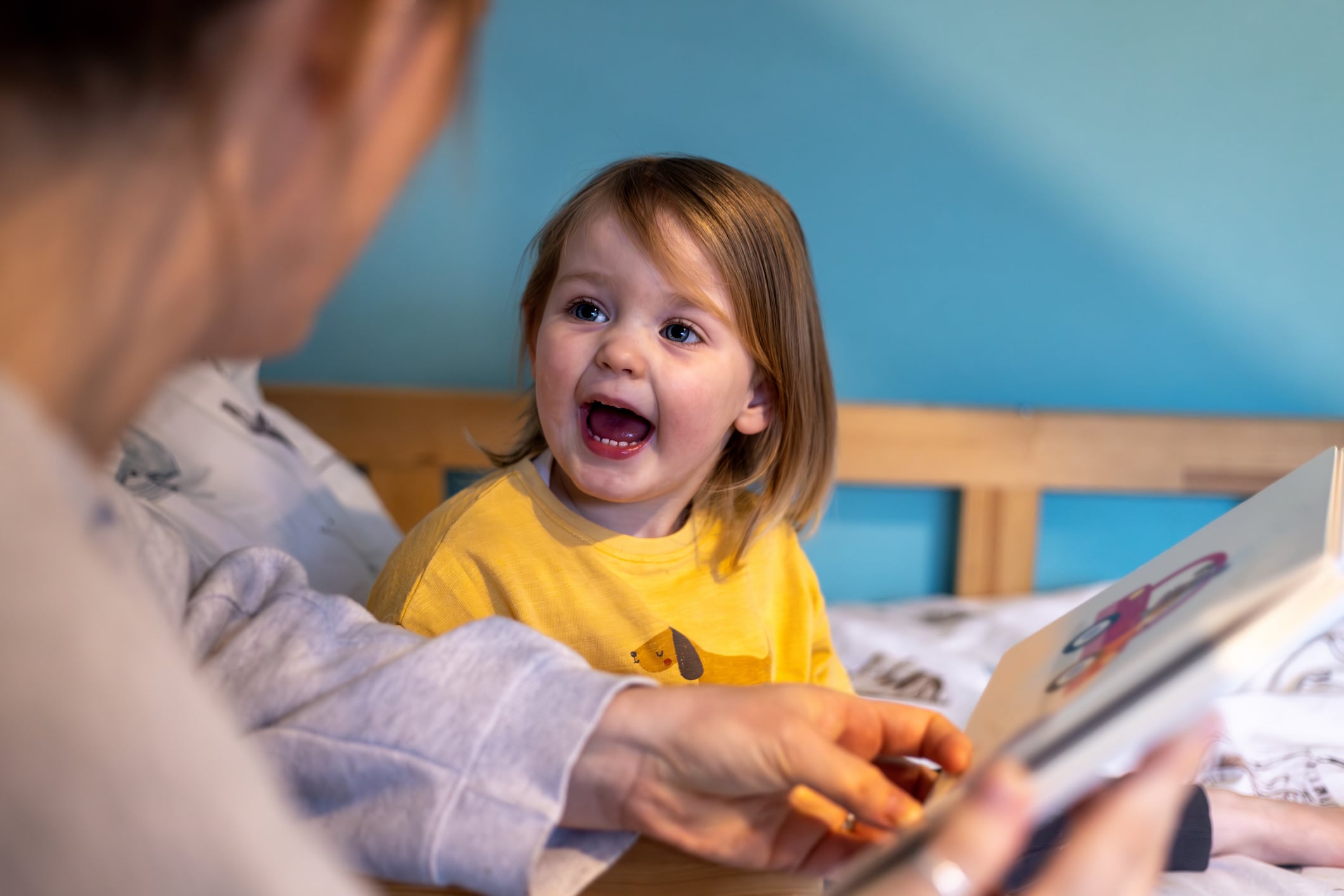
A therapist sees a child for maybe an hour a week, but parents are there for every meal, bath, and bedtime. Those ordinary moments — the car ride to daycare, getting dressed in the morning, a quiet few minutes before nap — are actually rich opportunities for language learning.
That’s why speech therapists focus heavily on parent coaching, turning caregivers into their child’s most consistent communication teachers.
Strategies you can start today include:
- Self-Talk and Parallel Talk: Narrate your own day (“I’m washing the red apple”) or your child’s actions (“You’re building a tall tower! Boom!”). You’re modeling language in the moments it actually matters.
- The Power of the Pause: After asking a question, count to five in your head. This processing time gives your child’s developing brain the space it needs to find the right words.
- Echo and Expand: If your child says “Car!”, repeat it and add one word: “Yes, blue car!” This gives your child a gentle model of growth without making them feel corrected.
Reach Out Today
If you live in the Monroe, West Monroe, or Ruston, LA, areas and have questions about your child’s speech development, Building Futures can help. Call one of our locations or fill out our online form and one of our therapists will contact you to schedule an evaluation. We look forward to helping your child develop a strong voice so they can be heard, understood, and joyfully connect with others.